
Contents
- 🎵 Origins & History
- ⚙️ How It Works
- 📊 Key Facts & Numbers
- 👥 Key People & Organizations
- 🌍 Cultural Impact & Influence
- ⚡ Current State & Latest Developments
- 🤔 Controversies & Debates
- 🔮 Future Outlook & Predictions
- 💡 Practical Applications
- 📚 Related Topics & Deeper Reading
- Frequently Asked Questions
- References
- Related Topics
Overview
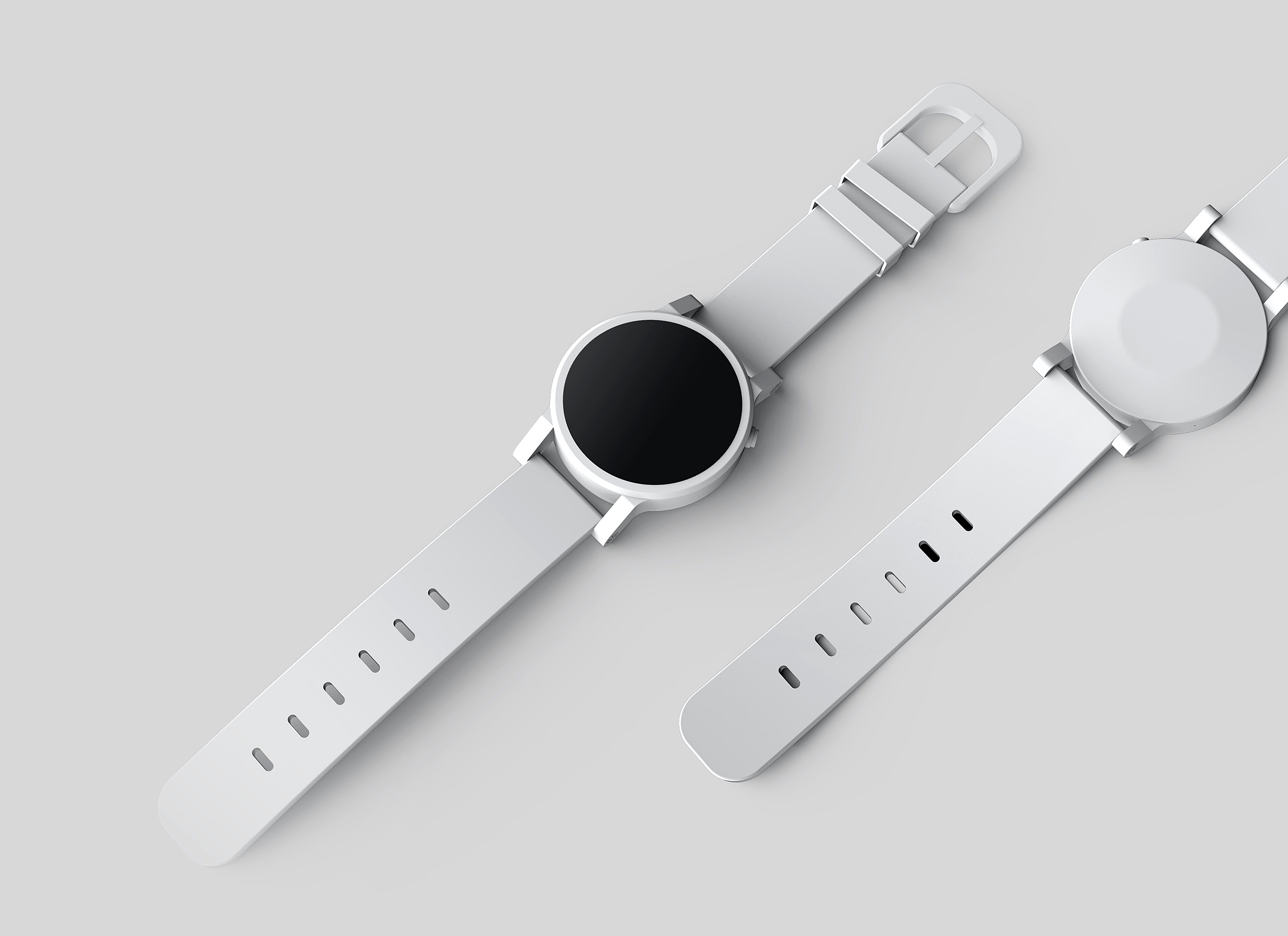
Wearable technology has revolutionized the way we track our health, fitness, and daily activities. With the rise of smartwatches, fitness trackers, and smartglasses, wearable devices have become an integral part of our lives. Companies like Qualcomm and Intel are working to develop more advanced sensors and software for wearable devices. Wearable devices collect vast amounts of data from users, making use of different behavioral and physiological sensors, which monitor their health status and activity levels. The impact of wearable technology on our daily lives is significant, with many people relying on these devices to track their fitness goals, receive notifications, and monitor their health. However, there are also concerns about the privacy and security of the data collected by these devices, which is why companies like Google and Microsoft are working to develop more secure and private wearable technology solutions.
🎵 Origins & History
Wearable devices work by using a combination of sensors and software to track and analyze data from the user. These sensors can include accelerometers, gyroscopes, and heart rate monitors, which track the user's physical activity, sleep patterns, and other health metrics. The data collected by these sensors is then transmitted to a connected device, such as a smartphone or computer, where it can be analyzed and used to provide insights and feedback to the user. Companies like Qualcomm and Intel are working to develop more advanced sensors and software for wearable devices.
⚙️ How It Works
The wearable technology market is dominated by companies like Samsung, which has developed a range of wearable devices, including smartwatches and fitness trackers. Other companies, such as Vuzix, have developed smartglasses for industrial and commercial use, while Levi Strauss has launched a line of smart clothing with integrated wearable technology.
📊 Key Facts & Numbers
Key players in the wearable technology industry include companies like Google and Microsoft, which are investing heavily in research and development. These companies are working to develop more secure and private wearable technology solutions, including encryption and secure data storage. For example, Microsoft has developed a range of wearable devices with advanced security features.
👥 Key People & Organizations
Wearable technology has had a significant impact on our daily lives, with many people relying on these devices to track their fitness goals, receive notifications, and monitor their health. Wearable devices have also become a fashion statement, with many people wearing them as a symbol of their personal style.
🌍 Cultural Impact & Influence
The current state of wearable technology is one of rapid innovation and growth. New devices and features are being launched every year, and the industry is expected to continue to grow and evolve in the coming years. For example, Amazon has launched devices like the Amazon Halo fitness tracker.
⚡ Current State & Latest Developments
One of the main controversies surrounding wearable technology is the issue of privacy and security. Many wearable devices collect vast amounts of personal data, which can be used for targeted advertising and other purposes. There are also concerns about the accuracy and reliability of the data collected by wearable devices.
🤔 Controversies & Debates
The future of wearable technology is expected to be shaped by advances in fields like artificial intelligence, augmented reality, and the Internet of Things (IoT). We can expect to see more sophisticated and integrated wearable devices, which will be able to track and analyze a wide range of health and fitness metrics.
🔮 Future Outlook & Predictions
Wearable technology has a wide range of practical applications, from fitness and health tracking to industrial and commercial use. Wearable devices can be used to track and analyze a wide range of metrics, including physical activity, sleep patterns, and vital signs. They can also be used to provide real-time feedback and coaching, which can help users to improve their health and fitness.
💡 Practical Applications
Wearable technology is closely related to a range of other topics, including the Internet of Things (IoT), artificial intelligence (AI), and augmented reality (AR). It is also related to fields like health and fitness, fashion, and technology.
Key Facts
- Year
- 2020
- Origin
- Global
- Category
- innovations
- Type
- technology
Frequently Asked Questions
What is wearable technology?
Wearable technology refers to small electronic and mobile devices with wireless communications capability designed to be worn on the human body. These devices can track and analyze a wide range of health and fitness metrics, including physical activity, sleep patterns, and vital signs.
How do wearable devices work?
Wearable devices work by using a combination of sensors and software to track and analyze data from the user. These sensors can include accelerometers, gyroscopes, and heart rate monitors, which track the user's physical activity, sleep patterns, and other health metrics.